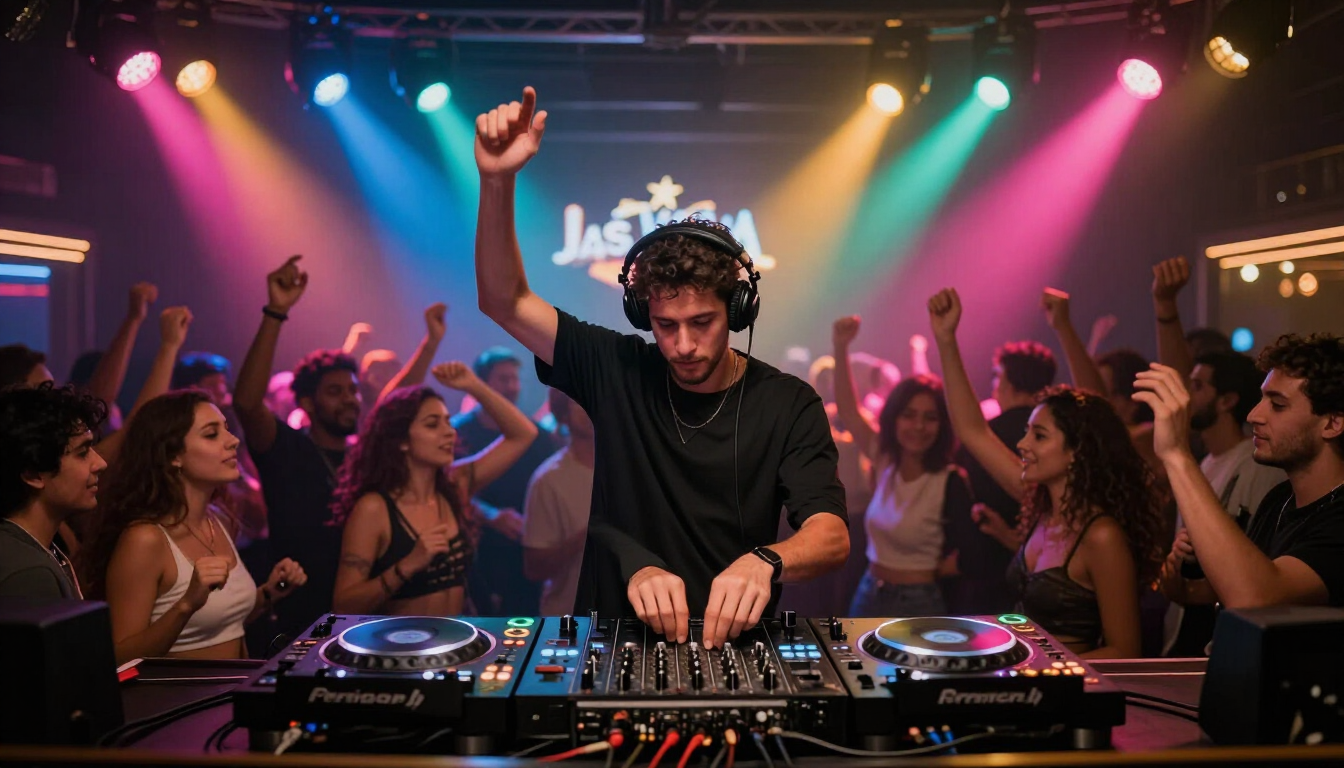
A successful DJ in 2026 combines musical skill, reliable technology, strong people skills, and smart marketing. The best DJs read the room, create memorable moments, communicate professionally, and use content and networking to win repeat bookings. Success means delivering an excellent experience—not simply playing popular songs.

What skills does a successful DJ need?
A successful DJ develops both technical ability and event awareness. Focus on these essentials:
- Beatmatching, phrasing, transitions, and gain control
- Reading the crowd and adjusting energy without losing your style
- Confident microphone and emcee communication
- Backup planning for music, cables, power, and equipment
- Professional punctuality, appearance, and client communication
Practice transitions regularly, but do not overlook soft skills. Clients remember whether you made planning easy, handled surprises calmly, and helped guests feel involved.
How can DJs use technology in 2026?
Technology should improve your performance, not distract from it. Choose dependable equipment that matches your typical events, including a controller or decks, powered speakers, microphones, lighting, and backup playback options.
Create organized music libraries with clean metadata, mood categories, and event-specific playlists. Use reliable cloud storage or external drives, but always keep an offline backup. Before every booking, test your system, inspect cables, charge batteries, and confirm venue power requirements.
Build a DJ brand that people remember
Your brand should make it obvious what kind of experience you provide. Choose a clear specialty—such as weddings, parties, corporate events, or nightlife—and show that focus consistently across your website and social profiles.
Share short performance clips, behind-the-scenes setup videos, testimonials, and helpful event tips. Use strong audio and good lighting, and get permission before posting guests. A simple content routine is better than occasional bursts of activity.

How do DJs get more bookings?
Bookings usually come from trust, visibility, and consistent follow-up. Make your inquiry process easy with clear packages, service details, availability information, and a straightforward way to contact you.
After each event, request a review and ask satisfied clients for referrals. Build relationships with venues, planners, photographers, caterers, and other entertainers. Networking can create a steady pipeline, especially when partners know you are dependable.
Present yourself as a solution, not just a music provider. Explain how you manage timelines, announcements, requests, transitions, and unexpected changes. Clients want confidence that their event is in capable hands.
A practical pre-event checklist
Use this checklist before every performance:
- Confirm the event timeline, venue address, dress code, and key contacts.
- Ask about must-play songs, do-not-play songs, announcements, and special moments.
- Prepare multiple playlists and a complete equipment backup plan.
- Arrive early enough to sound-check and solve setup issues.
- Follow up afterward with thanks, review requests, and selected content.
Final takeaways for becoming a successful DJ
Becoming a successful DJ in 2026 requires more than collecting music or buying impressive gear. Improve your technical skills, learn to read people, protect your reliability with backups, and communicate clearly from the first inquiry through the final song. Build a recognizable brand around the events you serve best, then grow through reviews, referrals, and professional partnerships. Start by evaluating your current setup, identifying one skill to practice, and improving your booking process. When clients feel prepared, entertained, and cared for, your reputation—and your calendar—can grow.